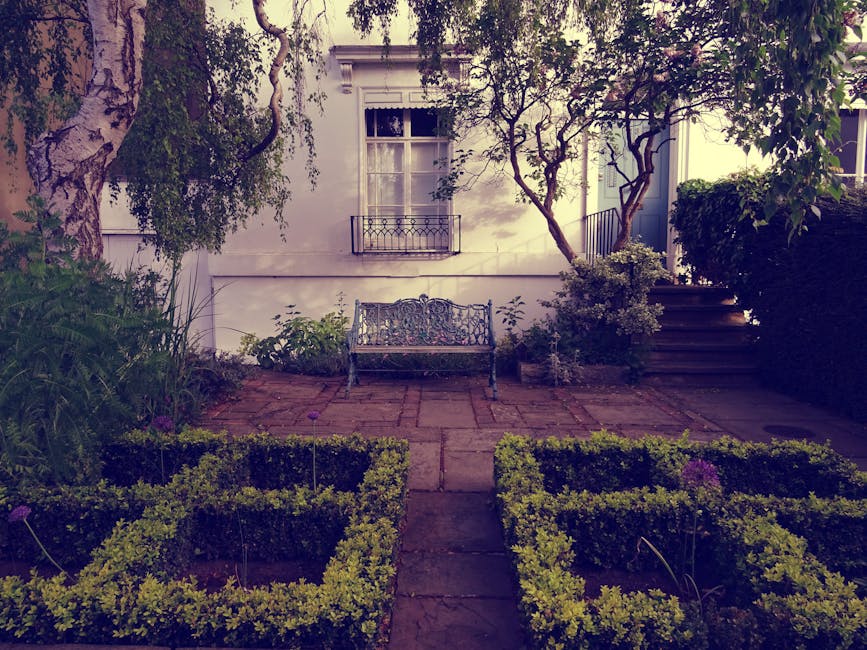
Hedge Trimming in Harlesden

Hedge trimming in Harlesden needs a careful, tidy approach that suits the shape, growth and purpose of each hedge. Our work focuses on keeping garden boundaries neat, managed and visually balanced while respecting the plant’s natural growth habit. Whether a hedge is part of a front garden, a rear boundary or a shared edge, the aim is to leave it cleanly finished, with a consistent line and enough healthy growth to continue thickening over time.
We provide hedge trimming as a practical garden service for domestic and commercial outdoor spaces in Harlesden. That can include regular maintenance cuts, seasonal shaping, light reduction and follow-up work after a period of unchecked growth. If the hedge has become uneven, overextended or difficult to manage by hand, we can assess the size, species and condition before planning a sensible way forward. For a straightforward starting point, you can also view our services overview to see how the main garden work is organised.
Our approach is based on the hedge itself, not a one-size-fits-all finish. Some hedges need a crisp formal line; others benefit from a softer profile that protects growth and helps light reach the base. We work with that in mind so the result looks deliberate rather than overcut. If you are comparing options or setting up a new maintenance routine, trim quality, timing and aftercare all matter more than simply cutting back hard. When you are ready, you can ask for a quotation in plain text now or use our contact route later on.
Regular hedge maintenance and shaping
Regular hedge maintenance is usually the easiest way to keep growth controlled and avoid major corrective work later. A hedge that is trimmed at the right intervals tends to hold its outline better, respond more evenly and remain more manageable at the base and top. We can carry out ongoing trimming where a client wants a dependable finish rather than a one-off cut, and we can shape hedges so they sit neatly within their boundary without crowding paths, driveways or windows.
Shaping is not just about making a hedge look square. It often involves reading the hedge from several angles, checking where growth is dense, and deciding whether the top, face or sides need more attention. A good trim can help define borders, reduce awkward overhang and keep the hedge visually proportioned. If you also need wider garden care alongside trimming, our garden maintenance page covers the broader work that can sit around a hedge schedule.
Typical hedge maintenance decisions include how much to remove, whether to keep the current height, and how to preserve a taper that lets the base receive light. We do not treat every hedge the same way, because different species and site layouts need different handling. In practical terms, that means choosing a finish that suits the setting, the plant and the level of upkeep the hedge has already had.
When hedge trimming needs corrective work

Some hedges are not ready for a light routine cut. If growth has become leggy, misshapen or difficult to manage, the work may need a more corrective approach so the hedge can be brought back under control without leaving it stressed or bare. That can involve reducing the most awkward sections first, restoring a cleaner line over more than one visit, or dealing with a hedge that has grown wider than intended and started to dominate the space around it.
Where a hedge has outgrown its original outline, a measured reduction can be preferable to severe cutting. The purpose is to improve usability and appearance while still leaving the plant able to recover. We can also look at how previous cuts have influenced the hedge, because old stubs, uneven topping or one-sided growth can affect what is sensible now. For hedges that need extra help beyond trimming, our landscape gardening page explains the kind of broader outdoor work that can support a tidier finish.
Corrective hedge work is often about restraint as much as reduction. Cutting too hard can leave a hedge looking thin, so the better option is usually to work in a controlled sequence. If a hedge has sections of weak growth, dead patches or an irregular profile, we can plan the trim to improve the outline while keeping the plant’s structure in mind. That way, the result is neater now and easier to maintain later.
What a hedge trimming visit can include
A hedge trimming visit may involve more than a single pass with cutting tools. Depending on the hedge and the surrounding space, the work can include lining up the faces, evening the top, easing out awkward protrusions, and making sure the trimmed material is gathered so the area is left ready for everyday use. If access is tight, careful positioning matters just as much as cutting, particularly near walls, fences, garden furniture or planted borders.
The exact process depends on the hedge type and the finish required. Some clients want a sharper ornamental result, while others prefer a softer, natural edge that still keeps growth under control. We can adapt the work to suit whether the hedge is a privacy screen, a front boundary or part of a larger planted garden. If your outdoor space needs more than trimming in one visit, our garden clearance service may be relevant where overgrowth, clippings or mixed garden debris also need attention.
Useful considerations before any hedge work include access, nearby surfaces and whether the hedge has been neglected for a long period. A simple site assessment helps avoid wasted effort and makes it easier to choose the best trimming height and width. If you know the hedge species, approximate size and the finish you want, that information is usually enough to start a clear quotation request. Please send an enquiry when convenient.
Hedges, boundaries and garden structure

Hedges do more than fill space. They help define boundaries, soften hard landscaping, frame entrances and create a sense of order across a garden. Good trimming preserves those functions by keeping the hedge tidy without making it look overmanaged. Where a hedge is part of a front elevation, the finish can have a strong effect on the overall impression; where it sits at the back of a property, the main goal may be to maintain privacy and a clean border line.
For many properties, hedge trimming sits alongside other garden tasks that influence the overall appearance of the outdoor space. A hedge may need to be set in balance with lawns, planted areas or paved edges so one part does not overwhelm the rest. If that wider outdoor picture matters, our landscaping page gives a sense of the broader work we can support around boundaries, planting and garden layout.
In practical terms, hedge work often comes down to three questions: how much growth should remain, what shape best suits the garden, and how often the hedge should be revisited. Answering those questions well usually produces a cleaner result than simply cutting to the same measurement every time. A hedge that is trimmed with its setting in mind tends to look more settled, especially when the surrounding garden is also kept in reasonable order.
Choosing the right cut for your hedge
Different hedges respond better to different styles of trimming. Some need regular clipping to maintain a sharp, formal outline; others benefit from lighter shaping that encourages stronger growth along the sides and base. The right cut depends on the hedge’s purpose, how fast it grows and how much existing structure is already in place. A thoughtful approach helps avoid the flat, tired appearance that can happen when a hedge is cut without regard for its natural form.
There can also be practical reasons to prefer one finish over another. A hedge close to a gate, path or driveway may need a narrower profile to keep movement easy, while a taller boundary hedge may need the top reduced to an even line. If the hedge is part of a lawn edge or sitting in a garden that needs more regular upkeep overall, our lawn mowing service may be useful alongside trimming to keep the whole space looking coherent.
We aim for a finish that looks deliberate, not forced. That means checking where the hedge is healthiest, where it needs more light, and where growth should be preserved for shape and screening. By keeping those points in view, trimming becomes part of garden care rather than a purely cosmetic cut. For many clients, that makes the hedge easier to live with and easier to maintain next time.
Support for overgrown and mixed garden work

Some hedge jobs are part of a larger outdoor tidy-up rather than an isolated task. If growth around the hedge has spread into borders, edges or access routes, it may be more efficient to plan the work together so the hedge does not look finished against an untidy backdrop. That can be especially useful where a hedge has been left for several seasons and now sits among other growth that also needs reduction or sorting.
In those cases, hedge trimming may be paired with more general garden support to get the whole boundary back into a manageable condition. Where the work involves thicker plant material, larger branches or sections that are no longer part of the intended hedge line, our tree lopping and removal page may also be relevant if separate tree work is required beyond hedge cutting. We keep the scope clear so the right kind of labour is used in the right place.
Before trimming begins, it can help to think about which parts of the garden must remain accessible during the work and which parts can be tidied later. That practical planning is not about overcomplicating the job; it simply keeps the result neat and usable. If you are gathering details for a quotation, a brief description of the hedge length, height and condition is usually enough to begin the conversation.
About Harlesden
Harlesden is an area in the London Borough of Brent in north-west London, known for its strong transport links, varied housing and long-standing role as a working and residential district. The name is often associated with the busy junctions around the town centre and with a mix of streets that range from Victorian and Edwardian terraces to later infill development. It sits within the wider landscape of inner London, yet it retains a recognisable local character shaped by rail, bus and road connections. Harlesden station on the Bakerloo line and the Overground, together with nearby Willesden Junction, has helped make the area especially well connected for many years. The Grand Union Canal also runs close by, adding a quieter linear route that contrasts with the movement of the main roads and transport corridors. Local life has long reflected change and migration, and the area is known for its cultural diversity, independent businesses and food spots that serve a broad community. Churches, community centres and small shopping parades sit alongside larger routes such as the Harrow Road and the North Circular, giving Harlesden a layered urban feel rather than a single uniform centre. Places like Roundwood Park nearby offer open green space, while the surrounding streets include a dense pattern of homes and front gardens that contribute to the area’s everyday streetscape. The combination of railway heritage, canal-side routes, ordinary residential roads and busy high-street activity makes Harlesden a distinctive part of Brent with a clear identity rooted in movement, housing and neighbourhood life.
Pricing, access and quotation details
Hedge trimming costs can vary according to the hedge’s length, height, accessibility and current condition. A simple regular trim is usually more straightforward than a hedge that needs reduction or corrective reshaping, and access can influence how much time and equipment are needed. If a hedge is enclosed by narrow side passages, sits close to delicate planting or requires careful working around fixed features, those factors are part of the practical quotation rather than an afterthought. For a clear starting point, our pricing and quotes page explains how quotation requests are handled.
It helps to have a few basic details ready when asking for a quote: approximate hedge length, rough height, whether the hedge is one-sided or multi-sided, and whether it has been cut recently. If you can describe the finish you want, that is useful too, because a clipped formal line is different from a lighter shaping cut. You do not need to write a long brief; a short, accurate summary is usually enough for a sensible response. If the hedge is part of a larger outdoor project, the scope can be discussed in the same enquiry.
Where more general garden upkeep is needed as well as hedge work, it may be worth combining the tasks so the site is handled in a single planned visit. That can make it easier to keep the boundary tidy and the surrounding area presentable without repeating the same setup twice. Request a quotation when you are ready and we can take it from there.
Hedge trimming for planned maintenance

Planned maintenance is often the best way to keep hedges in good condition over time. A hedge that is trimmed at sensible intervals is usually easier to shape, easier to keep even and less likely to need major corrective work. That matters whether the hedge is acting as screening, marking a property line or simply forming a neat edge to a garden. Regular attention also helps maintain a more uniform appearance across the full length rather than allowing one end to run ahead of the rest.
We can support hedges that are part of an ongoing outdoor care routine as well as hedges that need a one-off tidy-up. If you already know the hedge’s general cycle of growth, that can help with planning the next cut so it is done at a practical point rather than left until the shape is lost. For gardens where hedge care sits alongside other ongoing jobs, our about us page provides a brief overview of the wider business background and approach.
When you are ready to move ahead, keep the request simple and include the main details about the hedge and the finish you want. We will use those details to consider the scope and shape of the work. You can send that information now and ask for a quotation in plain text, or use the contact route if that suits you better.